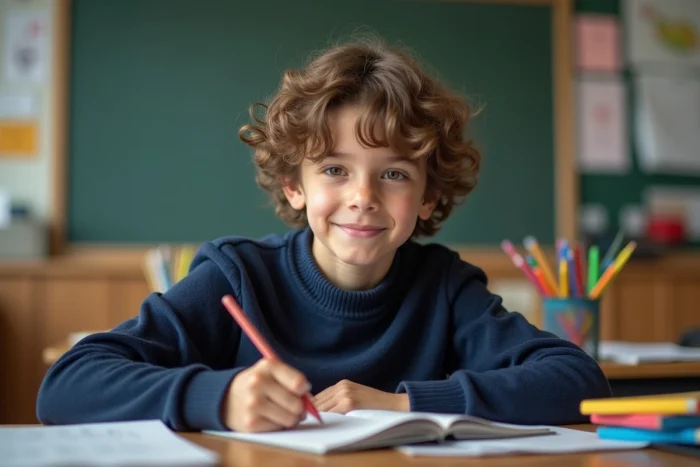
One in three children shows signs of stress at school as early as primary school, according to the latest public health surveys. Contrary to popular belief, academic pressure is not limited to exam periods or teenagers. Sources of tension lurk in the details of daily life, often invisible to the eyes of adults.
Simple, sometimes counterintuitive strategies can help mitigate the impact of stress on school life. Research in cognitive science and educational psychology identifies several concrete levers of action to effectively support children facing school anxiety.
Why is school stress affecting so many children today?
School stress enters children’s lives early. From kindergarten, pressure sets in: fear of failure, apprehension about speaking in front of the class, fear of disappointing adults and peers. While the back-to-school period concentrates these tensions, the pressure does not stop there. As the year progresses, piling homework, consecutive assessments, and an obsession with grades fuel lasting anxiety.
Another contributing factor is digital overload. Between instant messages, social media pressure, and endless notifications, children are caught up in a continuous flow. This digital excess undermines their mental health and disrupts their well-being. Stress, which is supposed to provide a temporary boost, ultimately becomes a hindrance when it persists over time. Diminished memory, anxiety attacks, isolation: the consequences are very real. Some children withdraw, isolate themselves, and gradually disengage from the school system.
School, designed for learning, sometimes transforms into a place of tension. The fear of failure makes the classroom a dreaded space. In response, families try different approaches, exchanging advice and experiences. Resources like Maman au Quotidien’s tips demonstrate this: each situation calls for an appropriate response. By naming anxiety and opening the dialogue, trust is gradually restored, providing the child with a more welcoming environment to thrive.
What signs should alert parents to their child’s distress at school?
Being attentive to what your child is experiencing is already a step towards action. Certain signals should raise concern. A sudden withdrawal, unusual silence, persistent irritability: these are signs that deserve attention. When a child dreads going to class, cries in the morning, or repeatedly complains of stomach aches, they often express deep discomfort. This is not about whims, but rather symptoms of anxiety in the face of peers or adult authority.
Other indicators appear on a physical level: fatigue that doesn’t go away, loss of appetite, restless nights. Sometimes, the child experiences anxiety attacks, has nightmares, or seems to lose interest in what once excited them. They avoid sharing their day, distance themselves from friends, and remain withdrawn within the family, all signals to take seriously.
Here are the main behaviors that should raise parental vigilance:
- Irritability or sadness that settles in
- Frequent physical ailments (stomach, head, unexplained fatigue)
- Gradual isolation from family or friends
- Anxiety attacks and crying without apparent reason
- Return of fears or sleep disturbances (difficulty falling asleep, nightmares)
In the face of these reactions, the family plays a key role: listening, supporting, reassuring. If the situation persists, it may be helpful to consult a school psychologist or a pediatrician. Sometimes, simply putting words to emotions and establishing a climate of trust can already help reduce tension.
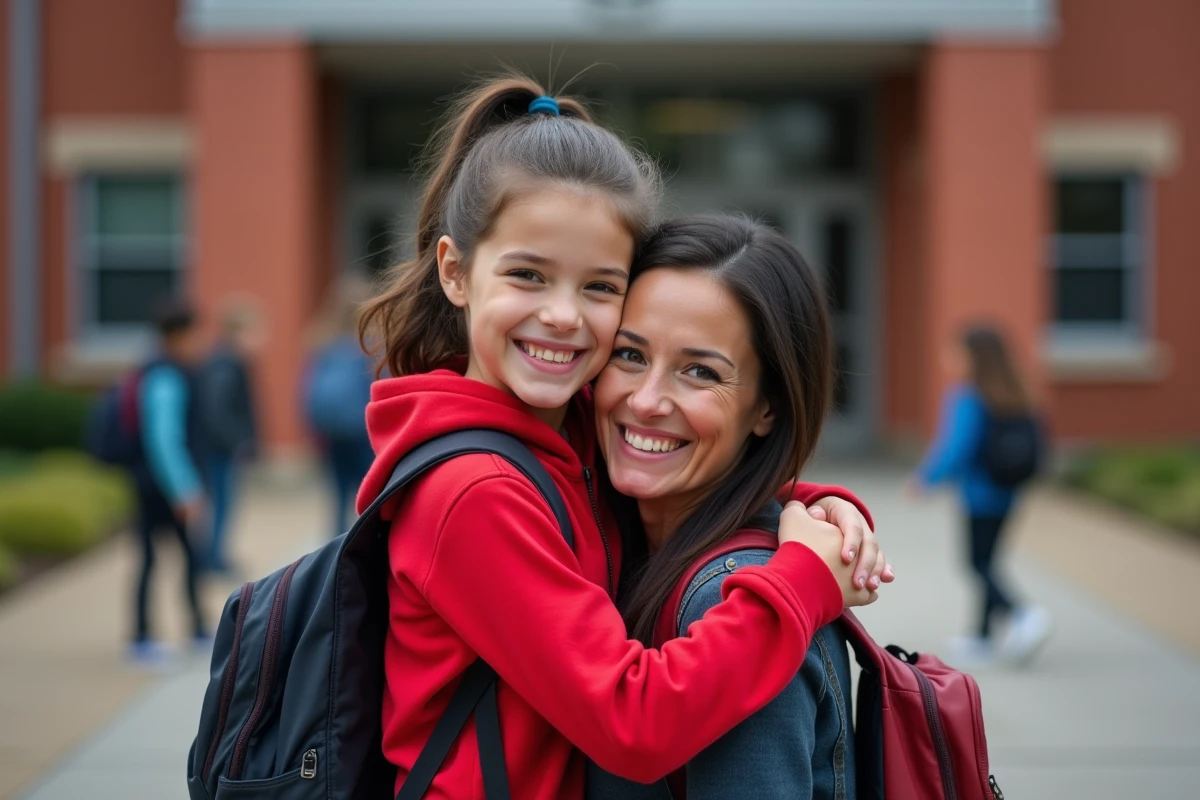
10 concrete tips to help your child find more serenity at school
To alleviate school stress and support your child’s emotional balance, listening remains the first step. Welcoming what they feel, acknowledging their fears, naming their difficulties: all of this contributes to restoring confidence. Even small progress deserves to be highlighted; this nourishes self-esteem and avoids the pressure of achieving results at all costs.
Here are simple actions to implement daily to help your child calm down:
- Establish a stable routine, especially by ensuring regular bedtimes: restorative sleep helps manage emotions better.
- After homework, offer active break times: walking, playing outside, or sharing a board game helps relieve pressure.
- Teach them simple deep breathing or visualization exercises to navigate stressful moments like tests or presentations more calmly.
- Encourage meetings with friends and enrollment in extracurricular activities to strengthen their social ties.
- Use humor, music, or invent gentle stories to create relaxing moments with the family.
- Avoid any comparisons between children: each one evolves at their own pace, with their strengths and weaknesses.
- Suggest creating a worry box where they can drop their daily troubles to better express and distance themselves from them.
- If discomfort persists, don’t hesitate to consult the educational team or a school psychologist. Their perspective can sometimes help unlock the situation.
Play, in all its forms, remains a wonderful tool for learning, daring to express oneself, and alleviating the fear of failure. Allow your child these spaces of freedom where pressure eases, and the joy of learning takes precedence. The path to school serenity is gradually paved, not always in a straight line, but always possible.