A cold, almost brutal figure: in France, one in five patients lives with pain that has persisted for more than three months, according to INSERM. Conventional treatments rarely completely alleviate suffering, and ironically, their side effects sometimes add an extra layer to the daily challenges.
However, there are complementary solutions, sometimes little known, that can improve care. Changing habits, opening up to other methods, consulting specialized professionals: these are concrete avenues recommended by health authorities that can transform patients’ experiences.
Why chronic pain disrupts daily life
Chronic pain does not just settle in: it intrudes everywhere, altering every gesture, every project. Where acute pain serves as a brief alarm signal, persistent pain, whether due to fibromyalgia, rheumatoid arthritis, back pain, or a nerve injury, imposes itself as a stubborn companion. Its intensity varies from day to day, but it is always present, undermining quality of life and self-confidence.
In reality, mundane actions, climbing stairs, carrying groceries, become real challenges. Exhaustion sets in. Pierre-André, who had back surgery, no longer dares to walk without apprehension; Emilie, every morning, watches for signals from her sciatic nerve; Philippe struggles with a painful shoulder despite surgery; Anita must cope with isolation exacerbated by a vascular malformation on her face that makes going out difficult.
Chronic pain does not only gnaw at the body: it disrupts sleep, erodes morale, and upends social and professional life. Loved ones often underestimate the extent of this invisible burden. Behind the diversity of symptoms—headaches, neuropathic pain, musculoskeletal disorders—one truth emerges: each journey requires a tailored approach, attentive to the individual.
To navigate between acute and chronic pain and access concrete resources, the Mon Coach Douleur website offers advice on adapting routines, measuring pain intensity, and preserving social connections. This allows for reclaiming a degree of autonomy, even when pain becomes a permanent fixture.
What medical and alternative solutions can really help?
The management of chronic pain is not limited to prescribing pills. Here, the approach must be collective and personalized. General practitioners, specialists, physiotherapists, psychologists: all combine their expertise to assess, adjust, and support the patient over time.
Certainly, analgesics, paracetamol, anti-inflammatories, opioids, remain the first step, depending on the level of pain. But their effectiveness often wanes over time, and their side effects can become difficult to bear. For certain nerve pains, tricyclic antidepressants or specific serotonin and norepinephrine reuptake inhibitors, used off-label, sometimes open the door to unexpected relief.
The therapeutic arsenal has significantly expanded with non-drug methods: physiotherapy, heat or cold applications, balneotherapy, electrotherapy, neurostimulation (TENS). These physical techniques help maintain mobility, alleviate pain, or break the vicious cycle of suffering. Psychocorporeal therapies such as hypnosis, sophrology, relaxation, music therapy, meditation, or yoga, provide a space to reconnect with oneself and restore morale.
To better understand what these approaches encompass, here’s what the main facilities offer:
- Specialized chronic pain centers (CETD) provide multidisciplinary consultations, combining advanced neurostimulation techniques and psychological support.
- The comprehensive support extends to information, therapeutic education, and lifestyle adaptation. Breathing exercises, adapted physical activity, psychological support: all complementary tools integrated into the journey.
The variety of these solutions underscores a reality: alleviating chronic pain requires an alliance between medical treatments, physical interventions, and moral support, always tailored to each person’s experience.
Concrete resources and tips for better living each day despite the pain
Taming chronic pain in daily life begins with listening to oneself and using reliable tools. Self-assessment quickly becomes essential: noting the intensity of pain each day, describing discomfort, identifying what aggravates or soothes. This repeated monitoring helps objectify progress, prepare for medical appointments, and better adjust treatments. Caregivers, in turn, conduct hetero-assessment: they confront their expertise with the patient’s feelings to personalize the journey.
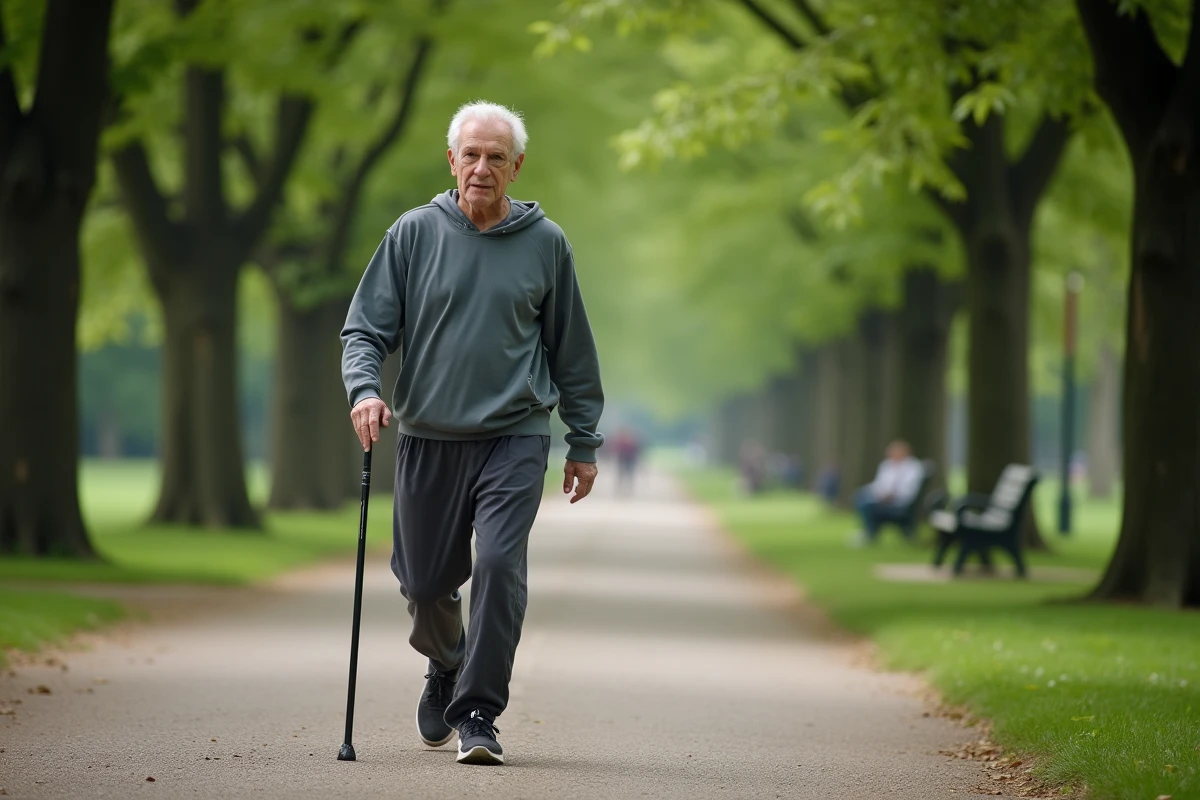
Pain management also involves regularly integrating adapted physical activities. A few steps, gentle exercises, careful mobilization of joints: every movement counts. This practice limits the loss of mobility and breaks isolation. People who engage in this process often notice improved well-being, regained energy, and the ability to find pleasure despite the pain.
To find support and share strategies, several options are available to those living with pain:
- Joining a support group or participating in structured programs like Agir pour moi, where sharing experiences and practical advice makes all the difference.
- Consulting educational videos, practical sheets, and associative resources, which serve as true compasses for progressing at one’s own pace.
Other levers exist: psychological support, art therapy, relaxation. These approaches help strengthen self-confidence, tame pain, and regain a bit of control, step by step. If the pain does not completely disappear, it sometimes stops having the final word. And that is already a victory.