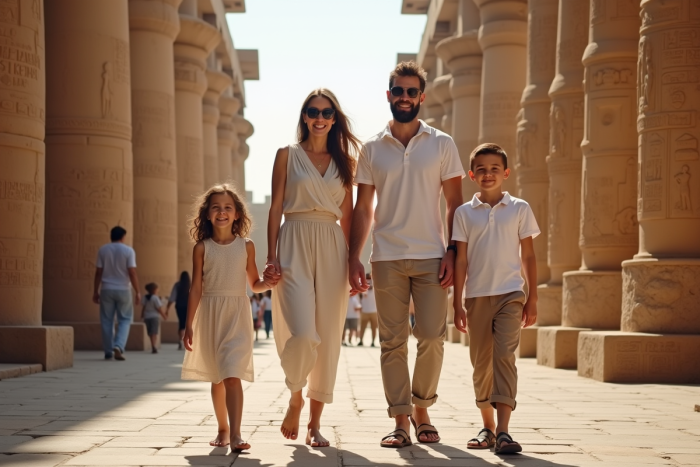
The Ministry of Foreign Affairs classifies Egypt among the destinations requiring heightened vigilance, while maintaining the openness of most tourist sites. According to data from the World Tourism Organization, over 11 million travelers visited in 2023, with an incident rate lower than those recorded in several European countries.
Travel agencies implement strict security protocols mandated by local authorities along major tourist routes. Border areas remain subject to restrictions, but Cairo, Luxor, and Aswan continue to welcome visitors under controlled conditions.
Common Misconceptions About Safety in Egypt: What Is Said (and What Is Really the Case)
The topic keeps coming up: security in Egypt. Discussions revolve around the same concerns, the same images sometimes frozen in time. Yet, the reality on the ground deserves attention, far from the clichés that cling to the country.
Behind the alarming rhetoric, major cities like Cairo, Alexandria, Luxor, and Aswan continue to receive millions of curious visitors each year. The presence of law enforcement at major sites is very real, but far from oppressive. Authorities have strengthened controls, particularly around the Pyramids of Giza and in the Valley of the Kings. The statistics are clear: the crime rate in tourist areas remains low, far from the fantasies that circulate.
On the coast, a question often arises: Is Hurghada a dangerous city? The facts show that this resort town implements rigorous security measures, in coordination with industry professionals. Travelers are encouraged to stay alert, as they would in any popular destination, but serious incidents remain rare.
To prepare for a smooth trip, these practical rules make all the difference:
- Traveling in Egypt: prefer organized tours to fully enjoy the archaeological sites.
- Take into account the instructions from local authorities and stay informed about the situation on the ground.
Regular travelers repeat: anticipate, inform yourself, choose your stops carefully, this is what transforms a stay in Egypt into a smooth and enriching experience. Prejudices fade away during the journey, giving way to a country where tourism thrives, evolves, and adapts.
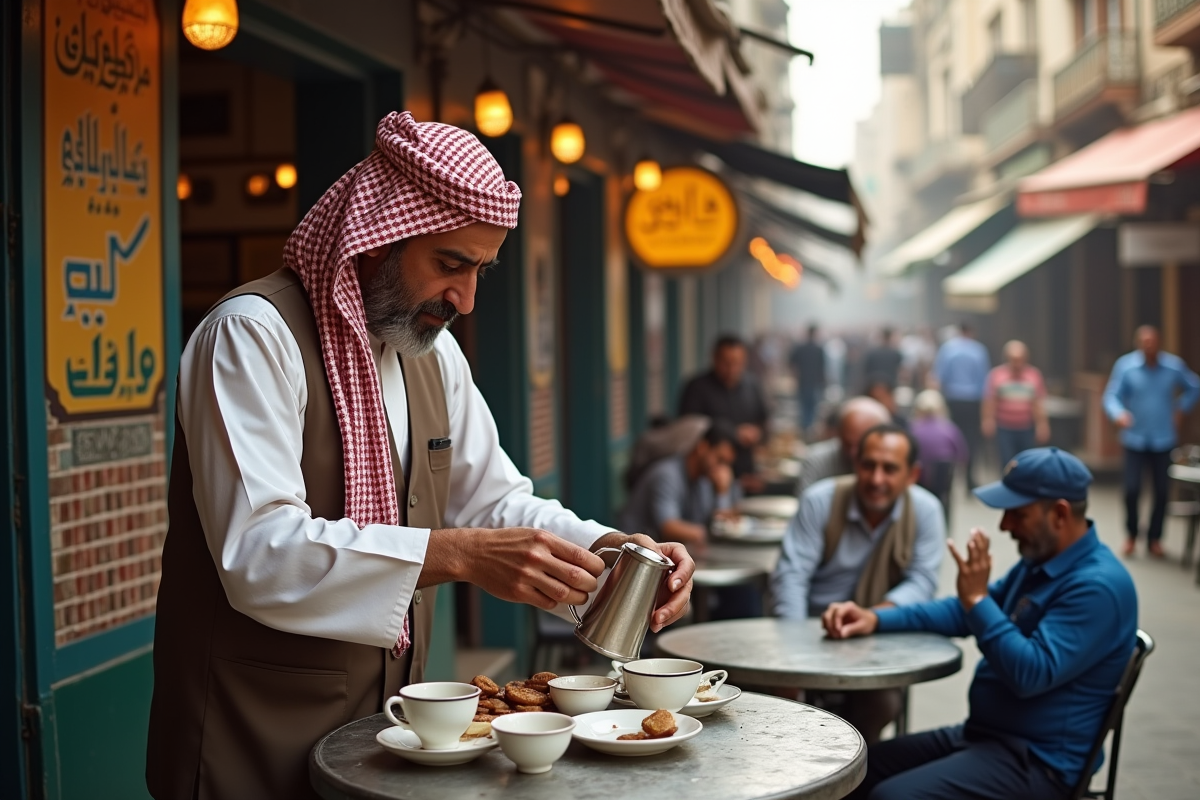
Traveling Today: Figures, Real Risks, and Tips for a Peaceful Stay
Travel to Egypt remains highly appealing: over nine million visitors cross the country’s borders each year, according to the latest statistics from the Ministry of Tourism. Cairo, Luxor, Aswan, as well as Hurghada and Sharm el-Sheikh, remain favorite stops, driven by the fame of their historical sites and the beauty of the Red Sea, a haven for divers from around the world.
On major tourist routes, reported incidents do not exceed those recorded in many other Mediterranean destinations. In areas frequented by travelers, crimes remain rare. Controls have become more effective, whether near hotels, around temples, or at the Pyramids of Giza.
Practical Tips for a Successful Stay
Some simple points of vigilance can transform the trip:
- Prefer official or organized transfers to reach archaeological sites and avoid unpleasant surprises.
- Keep copies of your identification documents and inform yourself about local customs to avoid misunderstandings.
- Regularly check the recommendations from consular authorities, before departure and during the stay.
A trip to Egypt offers an unbeatable value for money: a cruise on the Nile aboard a steamer, a visit to the Egyptian Museum in Cairo, exploring the Karnak Temple in Luxor… For well-informed travelers, the reality often proves to be much more nuanced and reassuring than what rumors suggest. Caution should never overshadow the wonder of facing three-thousand-year-old relics. Egypt continues to invite exploration, far from shortcuts and preconceived fears.