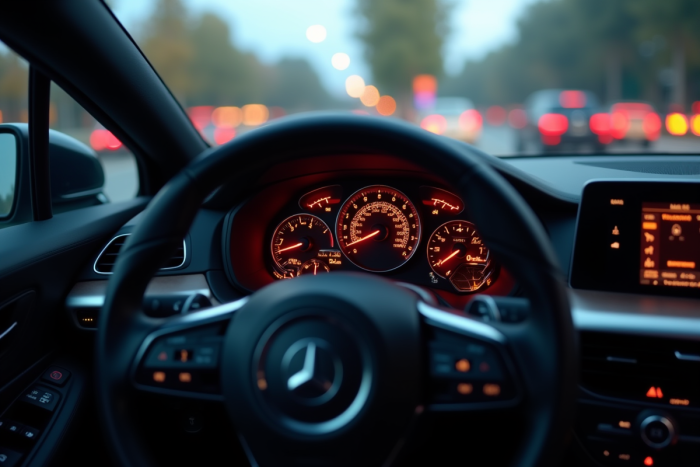
An orange warning light that comes on doesn’t necessarily mean disaster. But ignoring a red warning light is playing with fire: a breakdown is often lurking around the corner. Some icons look similar, regardless of the brand or generation of the vehicle; others change depending on the manufacturers or even the model year. Nothing is set in stone, not even the color: the same symbol can indicate either a simple check or an imminent breakdown.
To make sense of it all, you need more than a distracted glance. Reading the dashboard means grasping the nuance of each warning light and understanding the context in which it appears. However, technical manuals sometimes lack clarity, leaving many drivers feeling helpless in the face of these sometimes cryptic signals.
Why dashboard warning lights are essential for every driver to understand
Sooner or later, everyone encounters that unexpected light that appears behind the steering wheel. The icons on the dashboard speak a precise language: that of technology and onboard electronics. Today, the dashboard goes far beyond just a fuel gauge or speedometer. It monitors, alerts, and guides. This is where understanding your vehicle begins: in this discreet interface that connects humans and mechanics.
A warning light never appears by chance. It signals either a mechanical or electronic issue or reminds you of a maintenance operation. The color makes the difference: red means immediate stop (low oil, overheating, brake problem), orange requires a quick check (engine anomaly, upcoming maintenance, tire pressure), while green or blue confirms the activation of a function like lights or cruise control.
For those driving a Peugeot 2008, the list of warning lights for the Peugeot 2008 helps associate each signal with its precise origin. Taking the time to consult the user manual can save you a lot of trouble. An unrecognized warning light can quickly lead to a serious breakdown or even engine failure.
Treating each warning light seriously is essential for preserving your vehicle’s reliability, anticipating repairs, and maintaining control over your safety. The electronic systems in modern cars communicate in real-time, detecting the slightest anomaly. A symbol lights up, a visual alert appears, and immediately the diagnosis is triggered. The dashboard is no longer just an accessory: it is the driver’s primary partner, ensuring control over their vehicle.

Red, orange, or green: how to react to each type of warning light and avoid common mistakes
When faced with a red warning light, the verdict is clear: you must stop immediately, as soon as safety allows. This signal indicates a serious problem: low oil, engine overheating, low brake fluid level, brake system failure. Continuing to drive despite this warning risks severely damaging the vehicle and endangering passengers.
Orange warning lights appear to signal less urgent anomalies, but they should not be ignored. They may light up for insufficient tire pressure, a coolant level that needs monitoring, an engine anomaly, or worn brake pads. This is not a minor detail that can be postponed: delaying a visit to the mechanic can sometimes turn a quick intervention into a disabling breakdown.
With green or blue warning lights, the tone changes: these are simply informational. Low beam or high beam lights, fog lights, turn signals, cruise control: these signals confirm the activation of a function. Stay alert, as some green lights, particularly those related to lane-keeping assistance or automatic light activation, may vary by brand. It’s best to check the manual to leave nothing to chance.
Here’s how to quickly distinguish the reaction to adopt based on the color:
- Red: stop immediately and check the source of the alert.
- Orange: have a diagnostic performed without delay.
- Green or blue: simple indication, you can continue your journey.
How to decipher the most common icons: concrete examples and practical tips
To better navigate this, nothing beats a few concrete examples among the most commonly encountered warning lights. Here they are, along with tips for reacting without hesitation:
- The icon representing a small yellow lamp: often related to an engine anomaly (the “check engine” light). It lights up? Have your car checked quickly. Sometimes, it’s just a tired sensor, but it can also indicate an injection or ignition problem.
- The red circle with an exclamation mark: braking alert. This warning light allows for no delay. Stop, check the brake fluid level, and if necessary, have the vehicle towed.
- An orange triangle with an exclamation mark: this is a general alert signal. Check the associated message on the central screen or in the manual to determine the exact cause.
- The red battery light: charging circuit failure. If this light stays on after starting, you risk running out of electricity. Have the alternator and battery checked quickly.
In case of doubt, don’t panic. Stop in a safe place, turn off the engine, and consult the manual or the manufacturer’s mobile app. Many manufacturers now offer tools to instantly identify the meaning of warning lights and guide the driver toward the best response.
Anticipating breakdowns: preventive maintenance, the secret weapon of the informed driver
Knowing how to react to warning lights is good. But preventing them from lighting up is even better. Regular maintenance remains the best defense against unpleasant surprises. Scheduling a service appointment, checking tire pressure, monitoring fluid levels: these simple actions drastically reduce the risks of unexpected alerts.
Some drivers choose, out of experience or caution, to use an OBD diagnostic tool to anticipate electronic anomalies. This small device, plugged in under the dashboard, allows you to read fault codes and clarify doubts before the warning light even comes on. It’s practical for monitoring your vehicle like a pro, without waiting for a breakdown.
Stay attentive to your car’s signals, even the most discreet ones. A quick reaction, an early diagnosis, and you can avoid many troubles, not to mention the savings involved. The dashboard never lies: it warns, and it’s up to you to choose the next steps of your journey.
On the road, a simple icon can change everything. Looking at your dashboard is ultimately learning to know your car and, at times, avoiding serious mishaps. Who would have thought that a few lights could weigh so heavily on the tranquility of a journey?