
The energy assessment of a house is based on a standardized diagnosis, the DPE (energy performance diagnosis), which ranks the housing from A to G according to its energy consumption and greenhouse gas emissions. This ranking conditions the sale, rental, and access to certain renovation aids. For a homeowner, understanding what this diagnosis actually measures, and what it does not measure, allows for making the right decisions about renovations at the right time.
Electricity conversion coefficient: what changes in 2027 for the DPE
A decree published on August 31, 2026, by the Ministry of Ecological Transition modifies a technical parameter in the calculation of the DPE. The electricity conversion coefficient changes from 1.9 to 1.7 starting January 1, 2027. This coefficient reflects the primary energy consumed to produce one kilowatt-hour of electricity delivered to the housing.
In practice, a home primarily heated by electricity could receive a more favorable rating after this date, without having made any insulation or heating replacement work. This is not a real improvement in the building’s performance, but rather a regulatory adjustment in the calculation method.
Diagnoses carried out before January 1, 2027, will remain valid. They can be updated online for free, without a new visit from the diagnostician. For a homeowner considering selling or renting a property heated by electricity, as detailed in the Protect Habitation guide, this distinction between free updates and a new paid DPE can represent a significant saving.
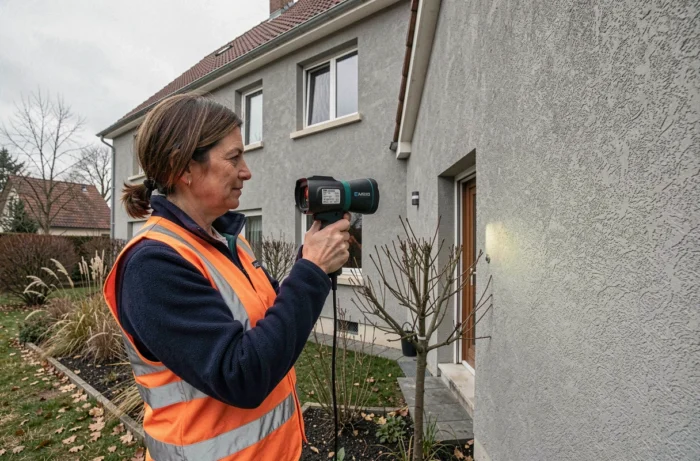
Energy audit and DPE: two diagnoses with distinct purposes
The confusion between DPE and regulatory energy audit remains common. Both concern the performance of the housing, but they do not answer the same question.
The DPE assigns a label (A to G) based on the calculated conventional consumption and CO₂ emissions. It is mandatory for any sale or rental. Its validity period is ten years, except in cases of early updates such as those planned for 2027.
The energy audit goes further. It proposes at least two quantified renovation scenarios, with a progressive renovation path and a class improvement goal. Since 2023, it is mandatory when selling a single-family home or a building in single ownership classified F or G. This obligation is gradually extending to E and then D classes.
- The DPE provides a static snapshot of the consumption and label of the housing, useful for comparing properties.
- The audit offers prioritized renovation scenarios, with an estimate of the cost and expected performance gain for each set of work.
- Only the audit is required to access certain renovation aids, notably MaPrimeRénov’ in its accompanied path version.
Ordering an audit when a simple DPE is sufficient increases the budget without immediate benefit. Conversely, settling for the DPE when an audit is required blocks the transaction.
Insulation, heating, ventilation: prioritizing tasks before renovations
The DPE and the audit identify areas of heat loss, but it is up to the homeowner to decide the order of interventions. A common mistake is to replace the boiler before addressing the building’s envelope.
Insulating the attic and walls is the primary lever for reducing consumption in the majority of single-family homes built before the 1990s. An efficient heating system installed in a poorly insulated building oversizes the equipment and wastes part of the expected gain.
Ventilation: the often underestimated aspect
A well-insulated home but poorly ventilated accumulates moisture. This degrades insulating materials, promotes mold, and skews the actual performance of the building compared to the theoretical performance calculated in the DPE. The renovation scenarios in the audit normally include this aspect, but the DPE alone does not assess the quality of the existing ventilation.
Before starting work, checking the condition of the ventilation system (single-flow VMC, double-flow, or natural ventilation) helps avoid an investment in insulation that would deteriorate prematurely.
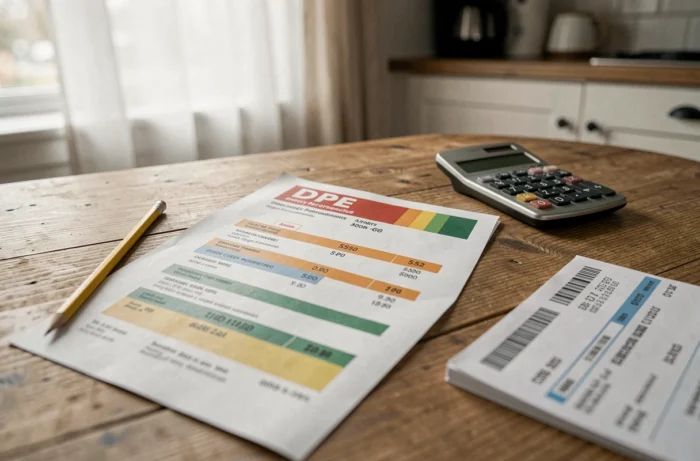
Check the validity of the DPE before selling or renovating
An expired DPE or one established according to the old calculation method (before July 2021) has no legal value for a transaction. Diagnoses carried out between January 1, 2018, and June 30, 2021, expired at the end of 2024. Any DPE prior to July 2021 must be redone before a sale or rental.
For homes heated by electricity, the situation becomes more complicated with the change in coefficient planned for 2027. A homeowner who has a DPE done at the end of 2026 can update it online for free starting January 2027 to benefit from the new coefficient. Waiting until January 2027 to order the diagnosis is also an option, but it delays bringing the property to market.
Choose a certified diagnostician
The DPE must be carried out by a professional with certification issued by an organization accredited by Cofrac. The Ministry of Ecological Transition provides an online directory of certified diagnosticians. A DPE carried out by a non-certified professional is legally null and exposes the seller to a claim from the buyer.
- Check the certification of the diagnostician on the official directory before signing the quote.
- Ensure that the diagnostician physically visits the property, as a DPE done remotely or on plans has no validity.
- Request the return of the DPE in the regulatory XML format, necessary for submission to Ademe and for any future updates.
The price range for the DPE varies according to the size and complexity of the housing. Comparing multiple quotes remains the most reliable method to avoid overcharging for a service whose content is standardized.
The regulatory calendar for the DPE continues to evolve. The change in the electricity coefficient in 2027 is just one adjustment among others to come. For a homeowner, the most prudent approach is to check the date and method of their last diagnosis before making any decisions about selling, renting, or renovating, rather than relying on a label that may have lost its validity.